
Research shows strong consumer preference for pollinator-friendly, local crops
New research shows consumers will pay up to 50% more for pollinator-friendly produce, creating new revenue opportunities for growers.





Key takeaways
- Consumers will pay about 50% more for pollinator-friendly produce
- Pollinator-friendly labeling drives more value than certification
- Local labeling still commands strong premiums
- Clear messaging is critical to capturing higher prices
New research from the University of Minnesota suggests a promising market opportunity for specialty crop growers and farm market operators: new data shows consumers are willing to pay higher premiums for produce grown using pollinator-friendly practices when those efforts are clearly communicated at the point-of-sale.
The study, conducted in summer 2025 by research fellows Gigi DiGiacomo and Dr. Chengyan Yue, found that shoppers would pay about 50% more — roughly $1.94 per pound — for cherry tomatoes labeled as pollinator-friendly compared to conventional produce without the claim. The research is part of the universities’ project Buzzing with Potential: Exploring Consumers’ Willingness to Pay for Pollinator Services.
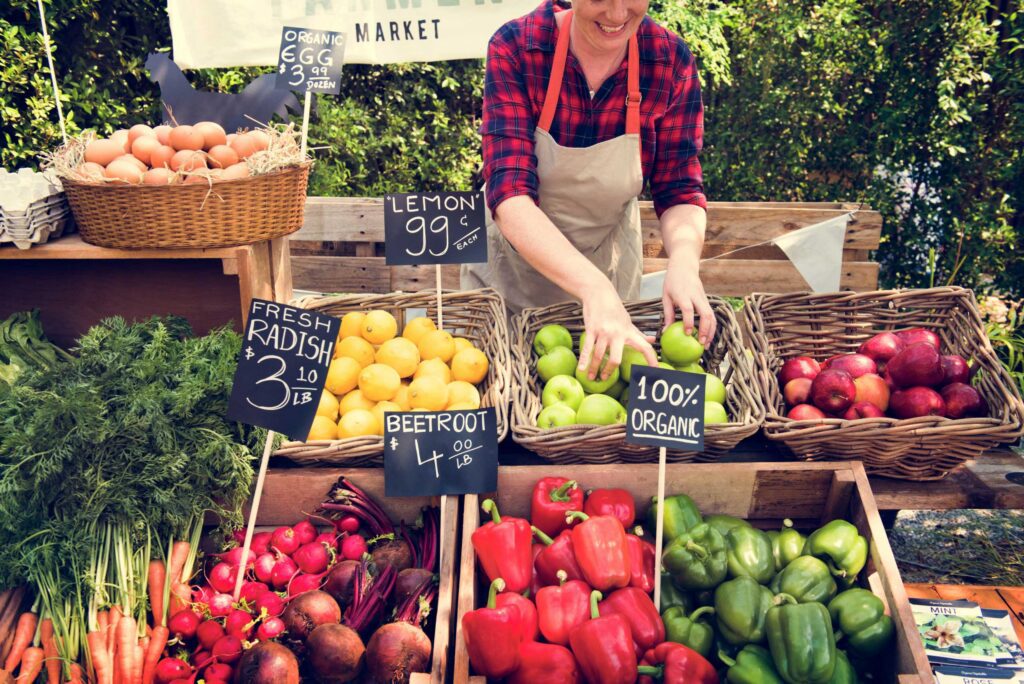
The findings are based on a choice experiment involving 677 consumers recruited at the Minneapolis Farmers Market and the Minnesota State Fair. While “local” labeling also carried a significant premium of about $1.08 per pound (vs. non-local), the pollinator-friendly claim itself drove the largest increase in consumer willingness to pay.
The study also reportedly found that third-party organic certification labeling did not significantly boost consumer willingness to pay. Researchers suggest this may be due to lower familiarity and trust with certification firms compared to well-established labels like USDA Certified Organic. For growers selling direct to consumers, this could mean that clear, on-farm messaging — rather than paying more money for formal certifications — may be enough to capture added value.
Consumer preferences, however, varied across segments. Some shoppers were highly price sensitive and responded best to simple messaging and moderate pricing. Others, particularly urban consumers, placed greater value on local origin and were more open to premium-priced products. A third segment responded positively to a combination of attributes, indicating tiered pricing strategies that highlight both local and pollinator-friendly practices.
“Understanding your customer base is essential,” said DiGiacomo. “Many specialty crop growers already rely on pollinators. This research shows they may be able to capture additional value by highlighting those practices.”
For growers, the takeaway is to align farm market and direct-to-consumer messaging with their local target markets. At farmers markets, that may mean signage or direct conversations. In retail settings, labels and in-store materials can help communicate pollinator-friendly practices effectively.
Growers should always weigh potential premiums against the costs of implementing pollinator-supportive practices, such as habitat establishment or adjusting Integrated Pest Management (IPM) programs. While the study focuses on broad consumer behaviors and demand, profitability will largely depend on the local customer base and individual farm economics.
Key takeaway? These results point to a clear opportunity: growers who support pollinators — and communicate it well — may be able to tap into a growing segment of consumers willing to pay for those efforts.