

Organic ‘Raingrown’ avocados show vast potential of sustainable agriculture
Learn about an organic brand of premium avocados helping build farmer equity in Africa.





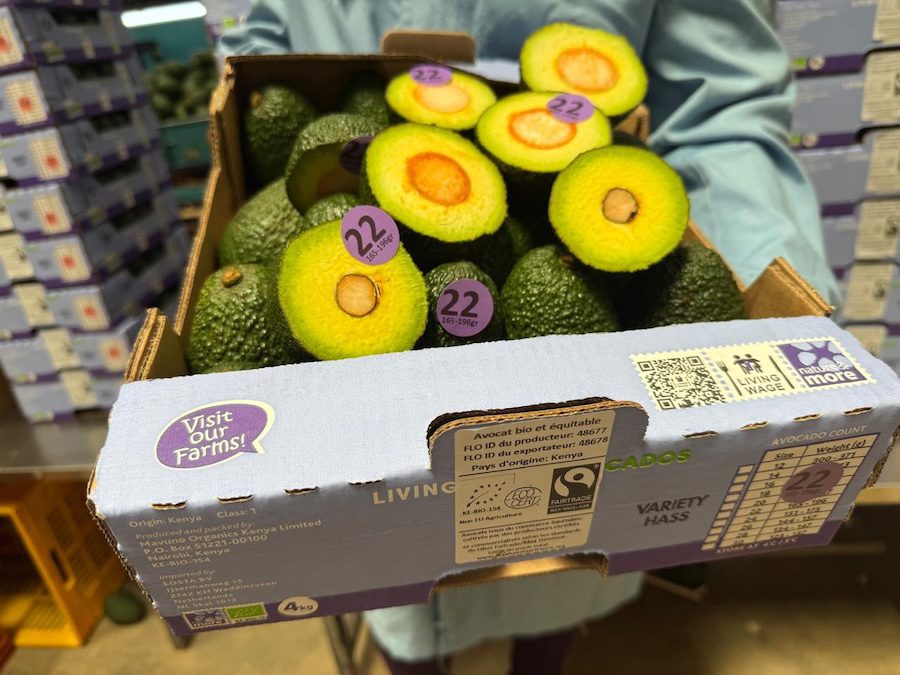
European-based organic fresh produce importer-marketer Eosta says it has received the first volumes of this year’s harvest of organic Raingrown Avocados from Tanzania and Kenya. The importer says it has high expectations for both availability and quality.
Grown using only rainwater, Eosta says its organic Raingrown avocados save more than 1.4 billion liters of water annually in regions where moisture is in short supply, proving that there is a viable alternative to relying on scarce drinking and sanitary water.
Volumes began to arrive in the Port of Rotterdam, The Netherlands, in March.
Despite experiencing some agronomic challenges, production from Kenya for 2026 is expected to be in line with 2025 both in terms of volumes and export quality. Meanwhile, Eosta is continuing to make advances in Tanzania in terms of improving field management and harvesting practices.
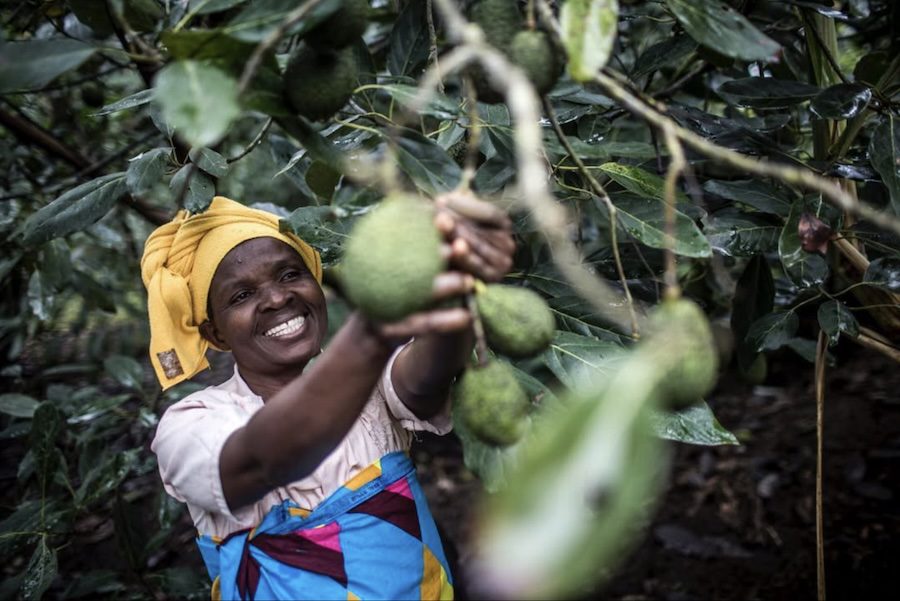
Equally important is the social capital being delivered to Kenyan growers through the Fairtrade program which Eosta started in collaboration with local partner Mavuno. Following successful work with the initiative, 50 additional growers are working towards Fairtrade certification, with a view to increasing overall volumes this year.
Also in Kenya, for every case of organic avocados sold, Fairtrade-certified growers receive a premium thanks to the Fairtrade via Eosta initiative. Importantly, even with this premium, these Fairtrade-certified avocados remain competitively priced, mainly due to relatively lower production and living costs in Kenya, combined with favourable growing conditions compared with other origins. The use of this premium is collectively decided by the growers, ensuring it benefits the wider community. It can be invested in social programs, such as installing filtration facilities to ensure safe drinking water for local communities. Other, smaller growers have used the premium to buy goats, providing added value for themselves and their families.
“But behind all of this, there is a very inspiring story about the difference that producing avocados is making to people’s lives in terms of improving their social situations,” said Jessica de Freitas, product manager. For example, a living wage is received by all organic Raingrown Avocado packing house workers in Kenya.
Coping with conflict
Of course, growers in East Africa are not immune to the ongoing conflict in the Middle East with many exporters faced with the choice of going through the Suez Canal or taking the longer route around the Cape of Good Hope. Another concern was the regional agronomic challenges experienced in Kenya in 2025, which resulted in smaller volumes. However, the situation has stabilized.
“Although there is lower availability of fruit in general from Kenya because of these agronomic challenges, Eosta has worked hard with our growers in the country to make sure we still receive the anticipated volumes, which should be very similar to those received in 2025,” de Freitas said.