
Organic fruits and vegetables lead grocery price increases in new analysis
Consumers are paying 59% more for organic produce on average as organic fruit and vegetable prices climbed 10% in the past year.





American food consumers continue to fork over a substantial price premium for organic fruits and vegetables at the grocery store, and that gap widened significantly over the past year as organic produce prices rose while conventional prices remained largely stable.
According to a new analysis of retail produce prices by Lending Tree, organic fruits and vegetables in the U.S. cost an average of 59% more than their conventional counterparts. Nearly half of the 52 produce items examined carried organic premiums of at least 50%.
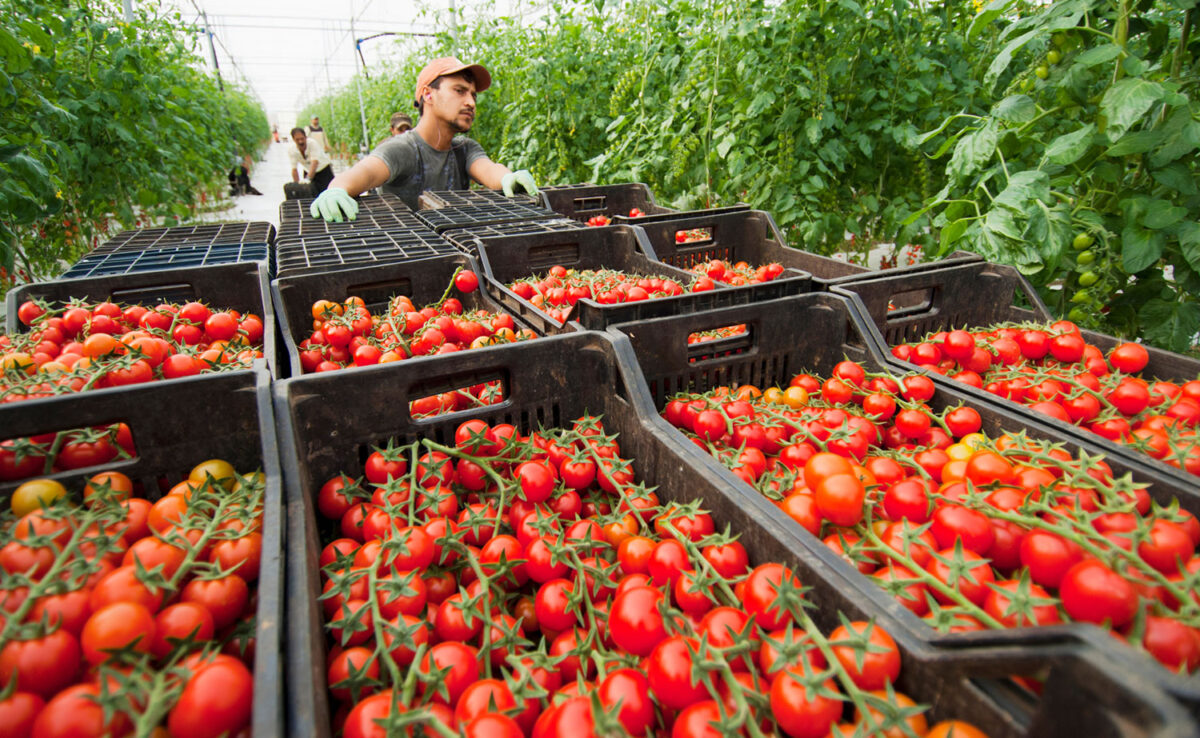
Some of the largest price gaps were uncovered in fresh vegetables. Organic Roma tomatoes were priced 134% higher than conventional versions, while organic orange and yellow bell peppers each cost 131% more.
The price divide has been fueled by a sharp increase in organic produce costs over the past year. Between January 2025 and January 2026, organic produce prices increased 10%, compared with just 0.3% growth for conventional produce.
Several organic items posted especially dramatic gains from last yeear. Organic Roma tomato prices rose 186% year over year, while organic green bell pepper prices increased 117%. Nine of the 10 largest produce price increases identified in the analysis occurred within the organic category.
The findings come as food affordability remains a key concern for consumers. American households spent an average of $7,995 on groceries in 2024, representing roughly 7% of household income.
While some organic items experienced price declines during the study period, including Gala and, suprisingly, Honeycrisp apples and raspberries, the broader trend points to increasing costs across the organic produce aisle.
For growers, the widening premium highlights both opportunity and challenge. Strong retail pricing can support farm profitability, but sustained price increases also risk limiting consumer access and slowing demand growth if shoppers become increasingly price-sensitive.
The report underscores the continued balancing act facing the organic produce sector: maintaining the value proposition that attracts consumers while navigating higher production, certification and supply-chain costs that contribute to elevated retail prices.