
On-farm composting: New guidance clarifies rules for organic growers
New guidance helps organic farmers understand composting regulations, stay compliant and improve soil health with on-farm practices.





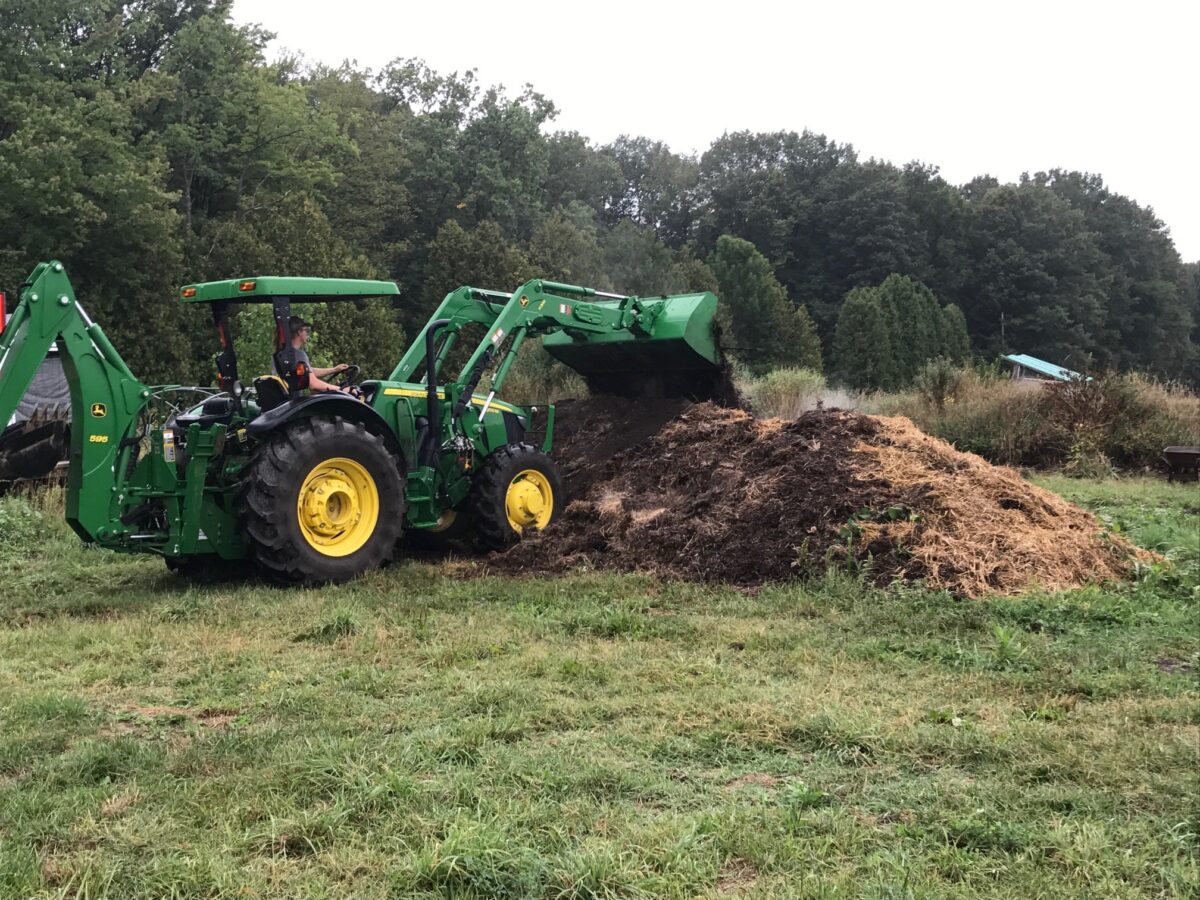
A newly released regulatory guidance document is offering farmers and landowners a clearer path to managing on-farm composting activities while staying compliant with environmental and agricultural regulations.
Finalized in April 2026, the publication reflects a multi-year collaboration among New Jersey-based state agriculture and environmental agencies, organic farming organizations and university extension specialists. While developed at the state level, the guidance addresses challenges and questions that are common to farmers across the U.S. who are integrating composting into their operations.
The document provides a comprehensive overview of composting on land actively used for agriculture or horticulture. It breaks down how composting activities intersect with environmental regulations, farmland use policies, and “right to farm” protections — areas that often create confusion for growers expanding into nutrient recycling and soil health practices.
By bringing these frameworks together in one place, the guidance aims to:
- Clarify when on-farm composting is considered an agricultural activity versus a regulated waste management operation
- Help farmers understand permitting thresholds and compliance requirements
- Support consistent interpretation and enforcement by regulators
- Encourage environmentally sound composting practices that align with organic production goals
RELATED – California farms face new rules in 2026, from wages to waste disposal
For organic growers in particular, composting remains a cornerstone practice for building soil fertility, reducing off-farm inputs and closing nutrient loops. However, regulatory uncertainty can be a barrier — especially as operations scale or begin accepting off-farm materials.
This type of guidance can serve as a useful model for farmers nationwide: even though regulations vary by state, the core issues — feedstock sourcing, site management, volume thresholds and classification — are widely shared.
Growers are encouraged to consult their own state departments of agriculture, environmental agencies, and extension services for region-specific rules, while using resources like this as a framework for best practices.