

MSU experts highlight cover crop strategies for regenerative orchards and vineyards
MSU Extension experts discuss cover crop strategies that help vineyard and orchard growers improve soil health and support regenerative farms.





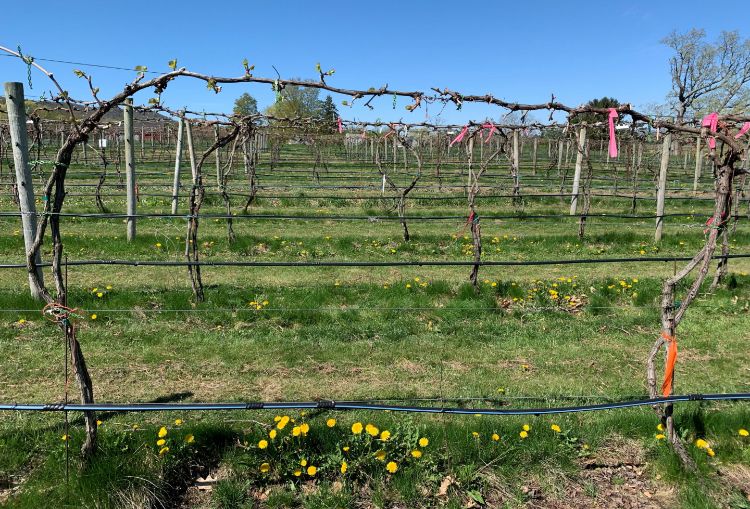
Michigan State University Extension is encouraging fruit growers to take a site-specific approach to cover cropping as interest in regenerative agriculture continues to grow across perennial cropping systems. During a recent webinar hosted in partnership with the MSU Center for Regenerative Agriculture, researchers and growers shared practical lessons on using cover crops in vineyards and orchards to improve soil health, reduce erosion and enhance long-term system resilience.
A key takeaway from the discussion was that regenerative agriculture is not a one-size-fits-all system. Speakers emphasized that climate, soil conditions, crop type and individual farm goals all influence which practices are most likely to succeed. The webinar was part of a broader series examining regenerative agriculture principles, including maintaining living roots, minimizing soil disturbance and increasing plant diversity.
Michela Centinari, associate professor of viticulture at Penn State University, outlined considerations for vineyard cover cropping. She noted that vineyard floors can be divided into two management zones: inter-row areas between vine rows and under-vine areas where grapevine roots are concentrated. Inter-row cover crops often present fewer risks while providing benefits such as erosion control, improved water infiltration and better trafficability for equipment.
Under-vine cover crops may offer weed suppression and reduce reliance on herbicides, particularly in vigorous vineyards, but they also require careful management because of potential competition with vines for water and nutrients. Growers should evaluate vineyard vigor, water availability and management objectives before introducing vegetation beneath vines.
The webinar also featured insights from orchard grower Kyle Rasch of Third Leaf Farm, who described a gradual transition toward organic and regenerative practices. According to Rasch, wood-chip mulch has been effective around young trees by reducing grass competition, while allowing more diverse vegetation beneath mature trees has contributed to improved soil structure and overall orchard resilience over time.
MSU Extension educators said regenerative practices can deliver benefits related to soil health, water management, nutrient cycling and biodiversity, but successful adoption depends on matching practices to local conditions and operational goals. For many perennial fruit growers, cover crops may provide a practical starting point for integrating regenerative principles into existing production systems.
Source: Michigan State University Extension