

Q&A: IPM expert explains the Spotted Lanternfly risk to fruit growers
A University of California IPM advisor explains the spotted lanternfly threat facing growers. Review host crops and compare current control strategies.





Key takeaways
- Spotted lanternfly has not established a reproducing population in California.
- The insect has been intercepted in shipments entering the West Coast.
- More than 100 plant species have been identified as susceptible.
- Grapevines and tree of heaven are the only documented hosts killed by feeding.
- Adult lanternflies migrate into vineyards before harvest, complicating pesticide use.
Specialty crop growers know how important it is to stay on top of the latest information regarding new and emerging invasive pests. They also know that the University of California’s Extension system, with its vast network of professional entomologists, is a trusted provider of verified, up-to-date information on pest threats.
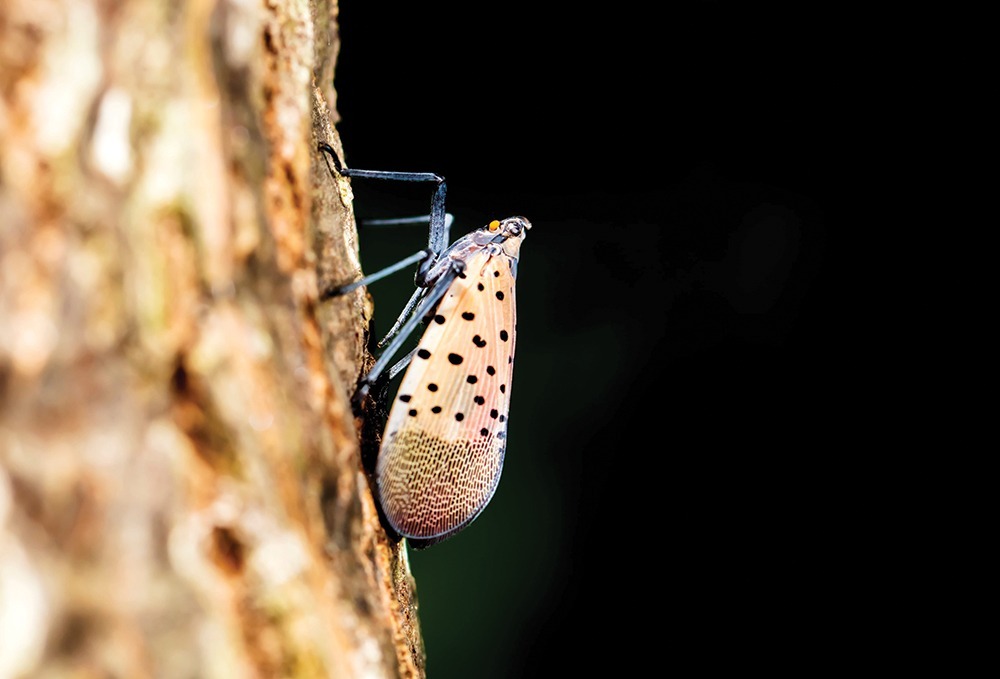
The spotted lanternfly (SLF) is an invasive insect native to Asia, and it has become a major threat to agricultural operations throughout the East Coast and Midwest.
There are recent interceptions of various SLF life stages on shipments into the West Coast. With California accounting for roughly $50 billion in annual specialty crop output alone, and Washington representing the epicenter of commercial apple and cherry production in the U.S., farming operations throughout the Pacific Northwest and California need to monitor the whereabouts of SLF so they are ready once the pest inevitably establishes a foothold further west.
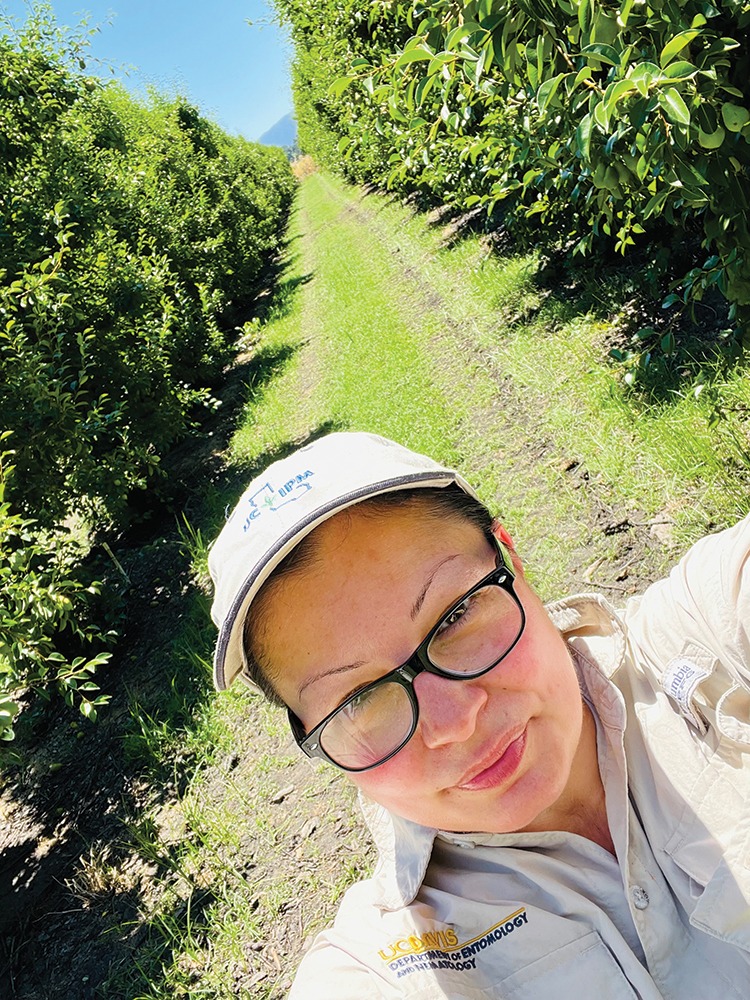
We caught up with University of California Agriculture and Natural Resources North Coast Area IPM advisor Cindy Kron, to find out what information she could share with growers about the pest. Kron earned her doctorate in entomology from UC Davis in 2018 and she specializes in helping viticulturists throughout Northern California manage pests.
Fruit Growers News (FGN): What is the status of SLF spread?
Cindy Kron (CK): SLF is not currently in California. There have been interceptions of spotted lanternfly life stages coming into California, but to our knowledge, we don’t have a reproducing population in California. But looking at the advance of spread on the east coast, every time I give a presentation it seems like I’m adding more states in which they are finding SLF.
FGN: Is there an expectation that, eventually, growers out west will be dealing with SLF?
CK: Entomologytoday.org published a map of the U.S. that models where spotted lanternfly is expected to do very well. When you look at the map, you can see the whole Central Valley and coastal region of California, and even the southern region and pretty much the rest of the major wine grape growing regions, which includes parts of Washington and Oregon. You can see the model predicts that spotted lanternfly will do well in those areas.
FGN: Which specialty crops do you feel are most at risk to SLF?
CK: Currently we’ve identified 103 susceptible plant species, of which 56 are feeding hosts, across North America. And that list is increasing as we learn more about this insect and its preferences, but what I can say today is there are a lot of possible crop hosts for SLF. So far, the only two host plants in which spotted lanternfly have been documented to be able to kill that host from feeding on it are grapevines and tree of heaven. But they have been found on other specialty crops too, like citrus, avocados, almonds, stone fruits, apples, cherries, blueberries, figs, hops, oak, birch, sycamore, ash and beech trees.
FGN: How does SLF disrupt grapevine growth?
CK: Photosynthesis occurs in the leaves and that produces glucose, which are sugars. And so, at a certain time of the year, those sugars are moving in different directions in the grapevine. Later in the growing season, when adult SLFs immigrate into vineyards in high numbers, those sugars are moving down into the roots to be stored as starch for the following year. But if this insect is present in large numbers and they’re feeding on the grapevines and removing those sugars, then very little moves into the roots to push new buds the following year. On the East Coast, we are seeing the impact in that the buds won’t push and you have no fruit. Eventually the vine collapses (and dies) because so much of the photosynthates have been taken out of the grapevine.
FGN: What tools are available for growers to control SLF in vineyards?
CK: There are a lot of products being tested on the East Coast right now — and when I say products, I mean conventional and organic pesticides — that are proving very effective. The problem is when adults prefer grapevines. When they become adults, they’re attracted to grapevines and move into vineyards right before harvest. You get this huge immigration of adult SLFs moving into the grapevines and feeding on them, and sure you can spray a pesticide or an organic pesticide and it knocks them down and you can kill thousands of them, but the problem is at some point you have to stop spraying because of pre-harvest intervals. But they just keep coming in and coming in.
FAQs
What is the current status of spotted lanternfly in California?
There is no known reproducing population, although life stages have been intercepted.
Which crops can host spotted lanternfly?
Hosts include grapes, apples, cherries, citrus, almonds, avocados, blueberries, figs and others.
Why are grapevines especially vulnerable?
Heavy feeding removes sugars needed for root storage, reducing bud break and fruit production.
Why is chemical control difficult?
Adults continue migrating into vineyards near harvest when pesticide use becomes restricted.