
How Honey Hill Orchard’s family transition keeps Illinois farm thriving
Honey Hill Orchard grew stronger through thoughtful family succession and agritourism. Discover the people and practices behind its continued success.






Key takeaways
- Kathy Bock and her family successfully continued the orchard after Steve Bock’s death.
- Brittany and Shane Richey assumed key leadership responsibilities.
- Agritourism has become a significant part of the business.
- Authentic farm experiences remain central to Honey Hill Orchard’s identity.
- The family is preparing for a potential third generation of leadership.
When Steve Bock passed away in 2016, Honey Hill Orchard was preparing for one of the busiest seasons of the year.
The Waterman, Illinois, farm had already begun discussing the future as owners Kathy Bock and her husband were working to bring daughter Brittany Richey and son-in-law Shane Richey into the business. Steve’s genetic lung condition had limited his ability to handle some of the physical demands of orchard work, and Shane was beginning to learn pruning, spraying and other production responsibilities alongside him.
Then everything changed.
Steve received a lung transplant that August but passed away shortly afterward, just weeks before the orchard’s busy fall season was set to begin. What had been a gradual transition suddenly became an urgent one.
“That first fall was tough because emotionally we were still reeling from everything,” Kathy Bock said.
Yet as difficult as the loss was, the family never seriously considered letting the orchard fade away. Instead, everyone stepped forward.
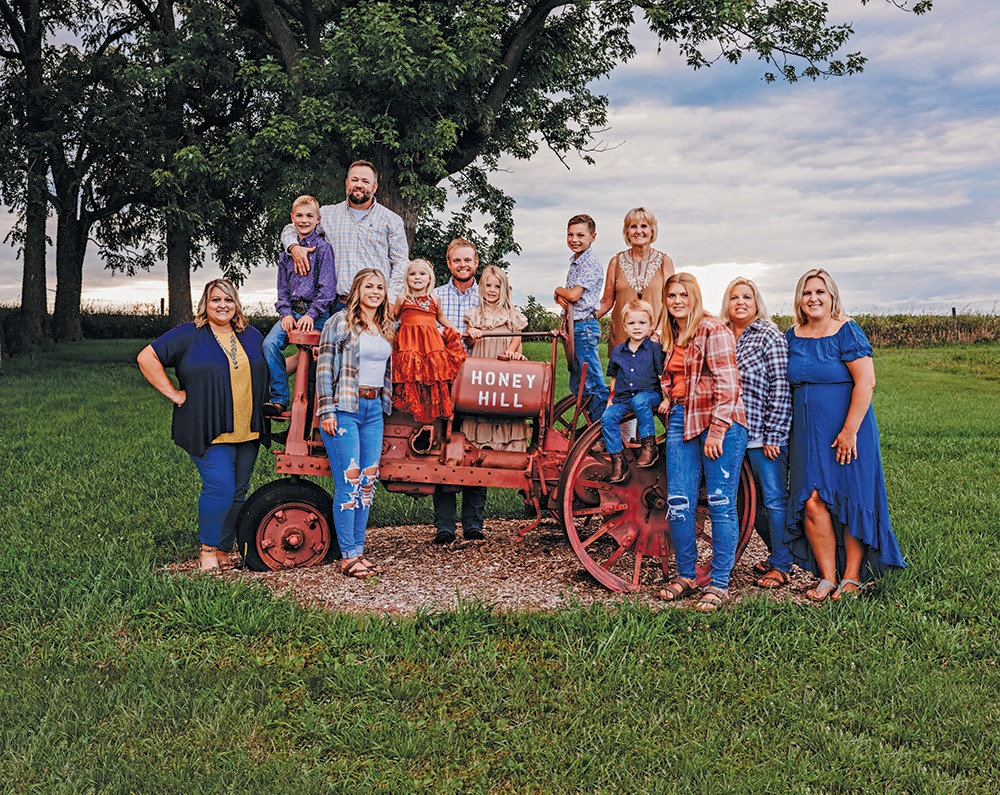
Today, nearly a decade later, Honey Hill Orchard remains a thriving farm market and agritourism destination because multiple generations of the family chose to continue the work that began nearly 50 years ago.
A farm built one tree at a time
The genesis of Honey Hill Orchard began long before Kathy and Steve took over. Kathy’s father planted approximately 2,000 apple trees during the mid-1960s after retiring from farming. Initially, the orchard was little more than a hobby.
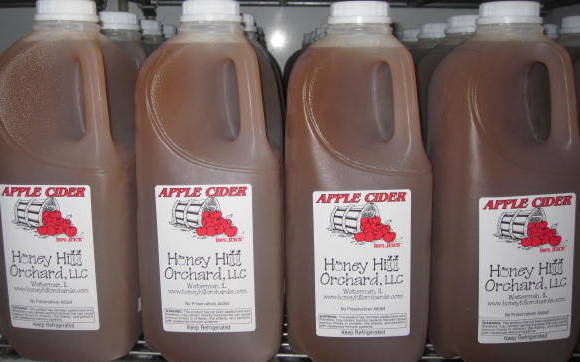
“My parents actually started selling apples out of their garage,” Bock said. “As production increased, we added a cider press and began producing fresh cider.”
More trees followed. Customers spread the word. A portion of the farm’s historic barn was converted into a sales area before eventually becoming the orchard’s farm market.
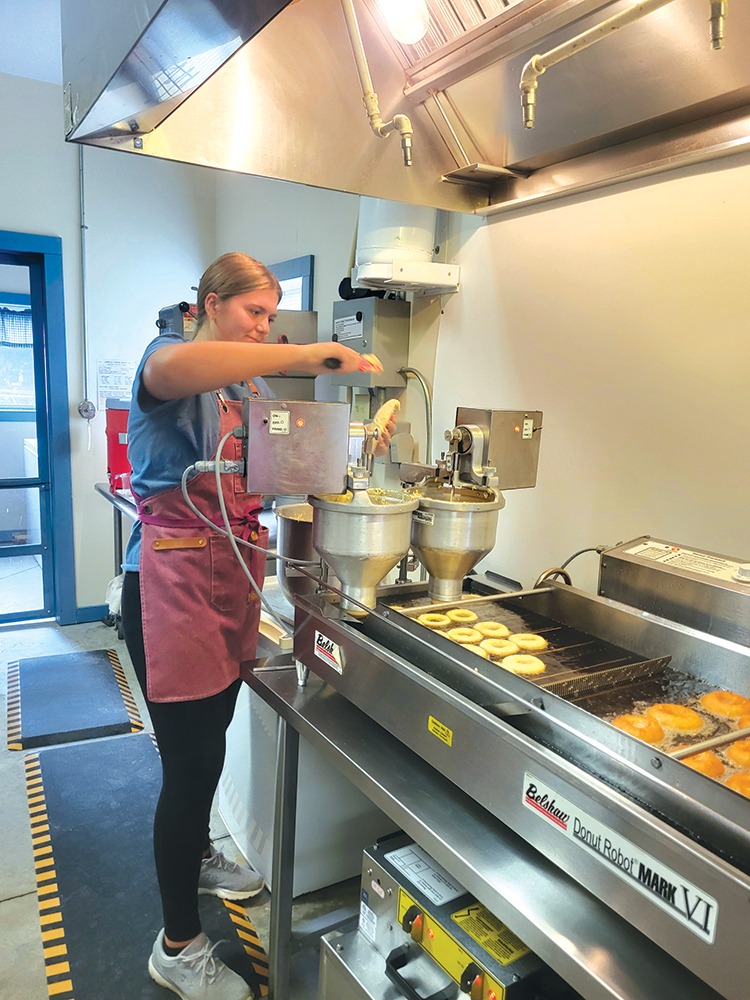
The third generation is already spending time on the farm and helping with chores.
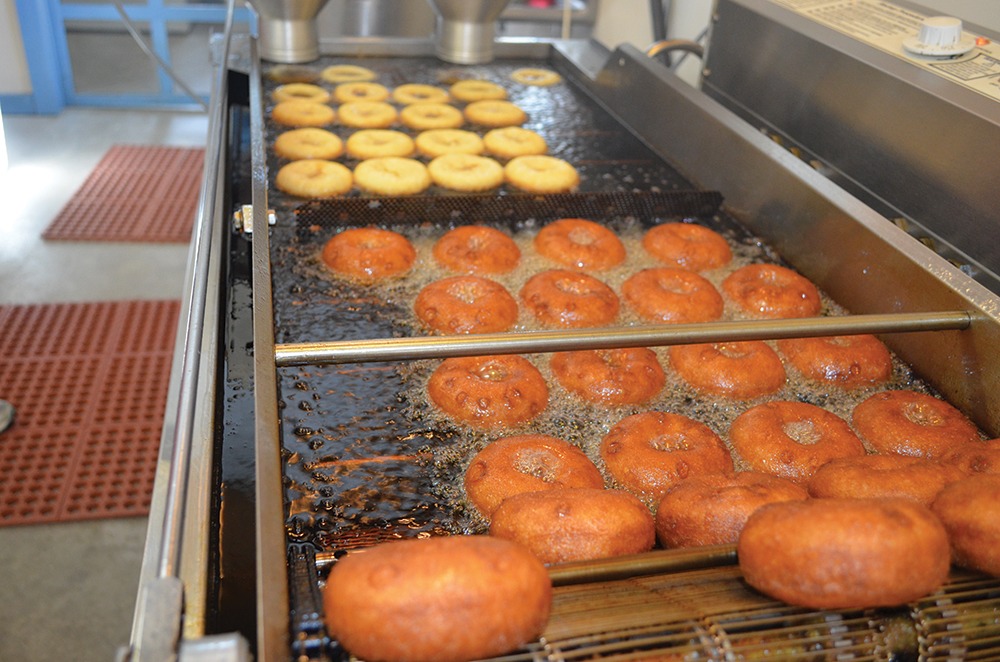
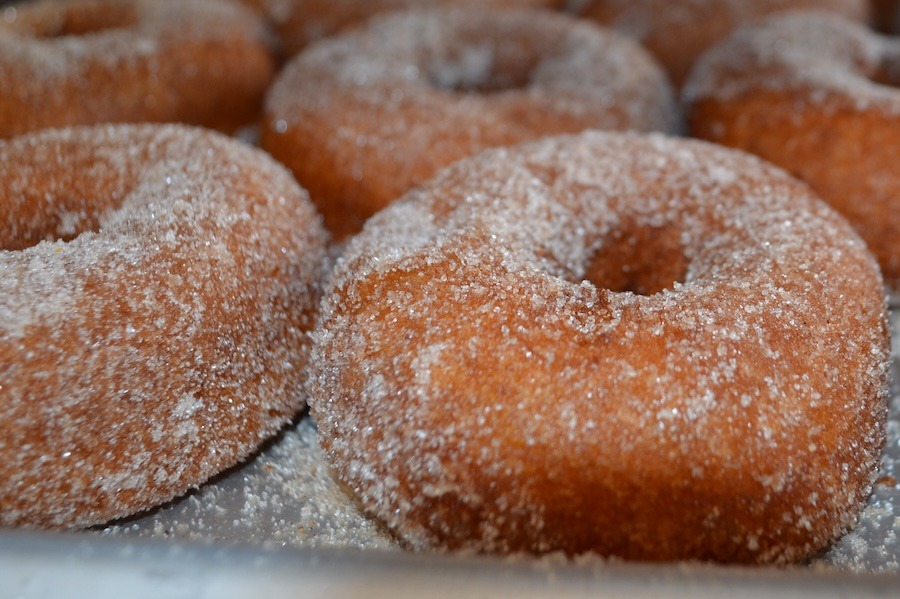
Over the years, the operation expanded well beyond apples. Kathy’s mother developed the cider donut recipe that remains a customer favorite today. Jams, jellies and other products were added. What started as a small roadside operation steadily evolved into a destination for families across northern Illinois.
The orchard also became more intentional about production. Rather than simply planting varieties that caught the family’s attention, blocks of trees were established to support cider production and retail sales.
For Bock, joining the family business meant changing her own plans. She was studying nursing and considering medical school when her father asked whether she might want to work with him at the orchard.
“I made that decision that it was more of the family lifestyle we wanted,” she said.
It proved to be a decision that shaped the rest of her life.
Rallying around Kathy
The family’s defining moment came in 2016. Although Brittany had grown up around the orchard and understood the retail side of the business, Shane was still learning the production side when Steve died.
“I wanted more seasons with him because there was just a lot of information that you learn over the years,” Shane said.
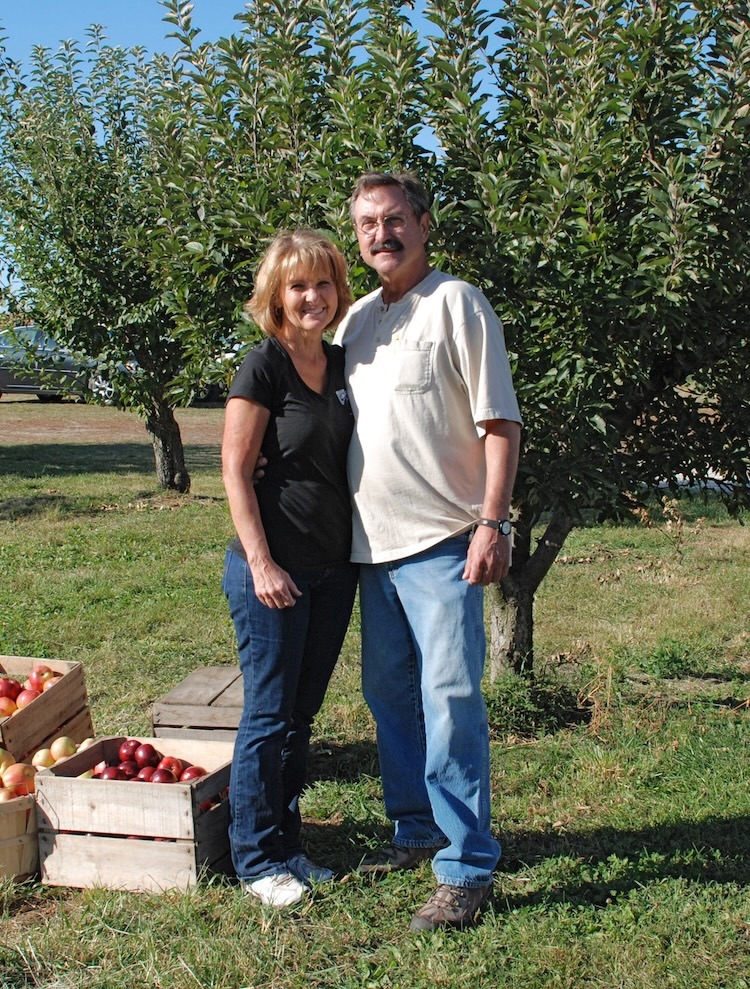
Instead of walking away from the challenge, Shane embraced it.
“Family was a lot of it,” he said. “There really wasn’t anybody else that was going to take it over.”
A combination of mentors, university resources and plenty of trial and error helped him learn.
One of Steve’s longtime grower friends, Ralph Bergersen of Valley Orchard, became an important resource during those early years. Shane leaned on experienced growers while developing his own management approach.
“It’s been a long eight years of learning,” Shane said. “Every year you’re learning something new, because things change.”
Bock credits both Brittany and Shane for helping the orchard navigate one of the most difficult periods in its history. Brittany brought knowledge of merchandising, customer service and marketing. Shane immersed himself in orchard production, harvest management and eventually cider production. Together, they helped ensure the farm remained on solid footing.
The transition also involved support from other family members. Bock’s second daughter and her family help during busy periods, while Steve’s brother Kirk has been part of the operation for years. Longtime employees have also become like family.
“We’ve got people that have worked here 25 years,” Shane said.
For a small family farm, those relationships matter.
Creating experiences that bring people back
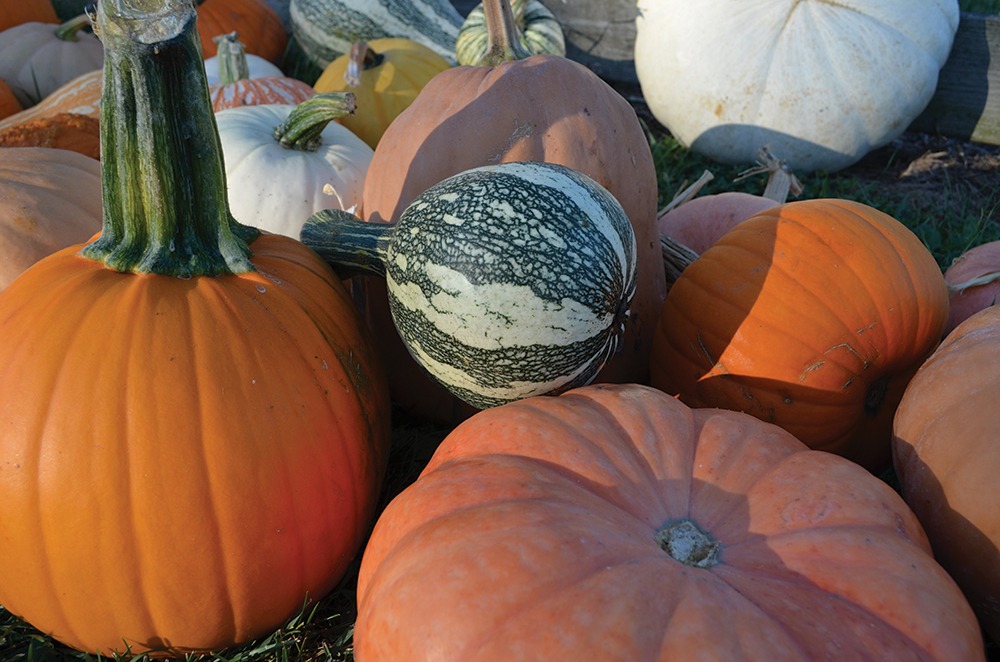
While orchard production remains the foundation of the business, customer experiences have become increasingly important. Honey Hill Orchard offers U-pick apples, pumpkins and red raspberries, along with a sunflower patch, bakery, farm market and cider operation. Visitors can spend the day exploring the farm, visiting animals and enjoying a relaxing rural setting.
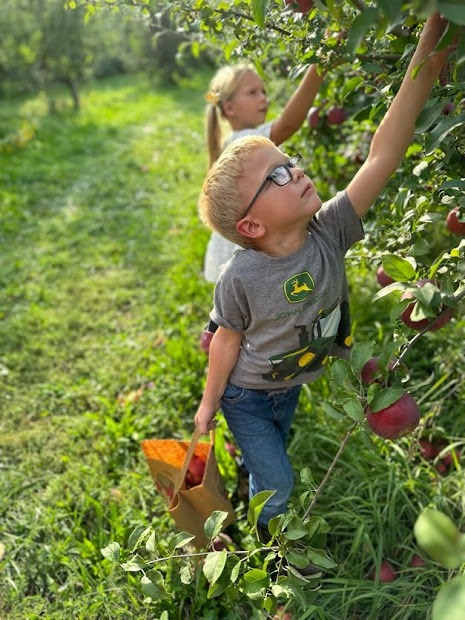
The family has deliberately resisted the temptation to become overly commercialized.
“We’re a farm. We want to stay a farm,” Brittany said.
That philosophy has helped Honey Hill carve out its own niche. Some agritourism operations focus heavily on rides and entertainment. Honey Hill instead emphasizes authenticity and a genuine connection to agriculture.
Customers seem to appreciate the difference.
“We have people come out that say, ‘Please don’t change anything. We love coming out to a farm,’ ” Bock said.
Over the years, the U-pick experience has become a major business driver. Steve was initially hesitant because of concerns about fruit damage and waste, but he ultimately recognized the value of bringing families directly onto the farm.
Today, customers who come to pick apples often leave with cider donuts, pies, cider and other products from the farm market.
The operation now welcomes thousands of visitors during busy weekends, requiring careful planning and traffic management. Separate bakery, market and U-pick areas help distribute visitors across the property, while wagon rides move customers efficiently through the orchard.
Learning to adapt

Like every grower, the Honey Hill team has learned that success often depends on adaptation.
“You can make all the plans in the world, and Mother Nature doesn’t go along with it,” Bock said.
Weather events, shifting consumer preferences and unexpected challenges have all shaped the business. One particularly difficult season came in 2019, when rain seemed to arrive every weekend during U-pick season. Parking lots turned muddy and customer traffic suffered.
Then came 2020 and the COVID-19 pandemic.
Initially unsure whether the orchard would even be allowed to operate, the family quickly adjusted. Walk-up bakery windows were added to reduce congestion and improve customer flow. The change worked so well that it became permanent.
2020 ended up being one of the orchard’s strongest years. Families looking for safe outdoor activities discovered apple picking, many for the first time. A significant number returned in subsequent years.
Meanwhile, Shane continues looking ahead from a production standpoint, introducing newer apple varieties and transitioning toward more modern dwarf plantings that improve management efficiency while aligning with consumer demand.
Looking toward a third generation

Perhaps the most important question facing any family farm is whether another generation will continue the tradition. At Honey Hill Orchard, that conversation is already beginning.
Brittany and Shane are positioned to lead the operation into the future, while Bock remains actively involved. The grandchildren are still young, but they are already growing up around the farm just as Brittany once did. Whether they eventually choose agriculture remains to be seen.
Bock hopes they will have the opportunity.
“I’d love to see it continue,” she said.
“We have people come out that say, ‘Please don’t change anything. We love coming out to a farm’.”
—Brittany Bock, Honey Hill Orchard
As she looks across the orchard today, Bock sees more than apple trees. She sees the legacy her parents started nearly five decades ago. She sees the work she and Steve invested over the years. And she sees a new generation carrying that effort forward.
Shane often wishes he had more time to learn directly from Steve. Yet the orchard itself stands as evidence of the lessons he did absorb. Every season, every harvest and every improvement reflects knowledge passed from one generation to the next.
If Steve could see Honey Hill Orchard today, he would likely recognize the same values that helped build it: hard work, family commitment and a willingness to adapt.
Those values remain firmly rooted at Honey Hill Orchard — and, if Bock has her way, they will continue growing for generations to come.
FAQs
Where is Honey Hill Orchard located?
Waterman, Illinois.
Who operates Honey Hill Orchard today?
Kathy Bock, Brittany Richey, Shane Richey and other family members.
What agritourism activities does Honey Hill Orchard offer?
U-pick apples, pumpkins, raspberries, bakery products, cider, sunflower patch and farm market experiences.
A graduate of the University of Miami, Keith Loria is an award-winning journalist who has been writing for almost 20 years. View his recent writing at keithloria.contently.com.