

MSU surveying Michigan apple growers on orchard “shock events”
MSU is surveying state apple growers to better understand how shock events impact the state’s apple production. Learn more about the survey.





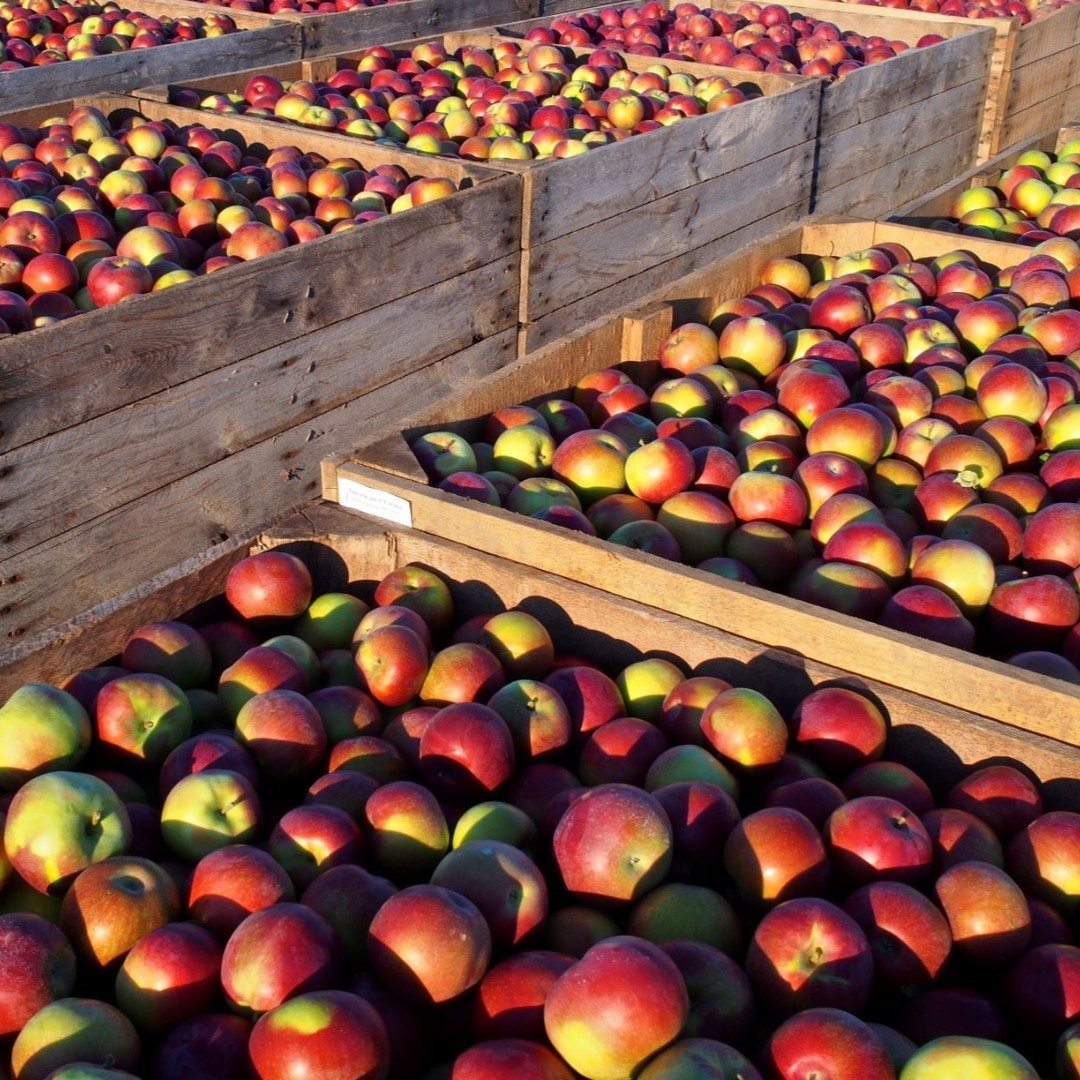
The results of MSU’s Apple Grower Survey will help develop decision-making tools that can help growers manage risks and guide adaptation and mitigation strategies. The poll will also aid advocacy groups as they support producers in the agriculture industry in apples, according to a news release.
To better understand how the shock events affect growers and to find possible mitigation options, the USDA research project plans to use a questionnaire to identify and quantify the frequency and impacts of shock events on Michigan apple production, assess how producers were affected by individual and multiple shocks and explore management and adaptation strategies.
According to the USDA National Agriculture Statistics Service (NASS), Michigan produced 1.2 billion pounds of apples in 2024, making it the third largest apple-producing U.S. state and apples Michigan’s most valuable fruit crop.
“Despite this astounding success, Michigan farmers are always working to overcome challenges that threaten their production systems,” according to a press release. “In 2012, a late April frost hit apple orchards right after they came into bloom. According to MSU apple harvest reports, this unseasonal frost caused apple harvests to be 88.4% lower than normal levels with one orchard reporting to NPR that they “could only harvest 1 percent of their 30 acres of apples.”
Even though the 2012 frost is the most severe Michigan crop loss on record, there are still shock events that impact apple production from one year to the next. For instance, based on USDA NASS data, since 2007, there have been four years where growers production was one-third of normal levels.