

New SARE handbook offers guidance for integrating cover crops


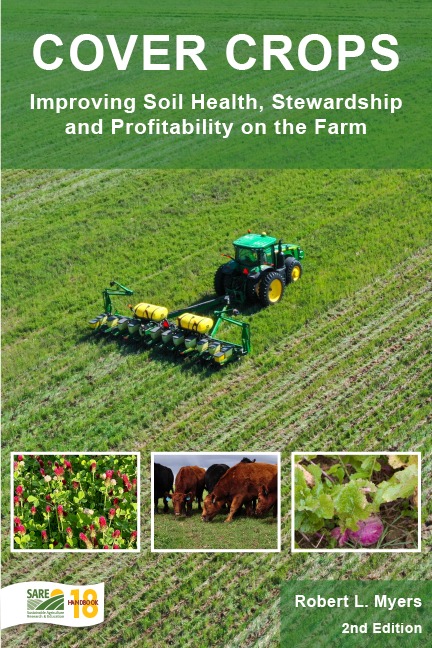
Sustainable Agriculture Research and Education (SARE) has released the second edition of its cover crop handbook, offering growers updated guidance on incorporating cover crops into a range of farming systems.
Cover Crops: Improving Soil Health, Stewardship and Profitability on the Farm draws on decades of research and farmer experience to address how growers can select, establish and manage cover crops based on their individual operations and goals.
Cover crops can help improve soil health, interrupt pest cycles, reduce input costs and support crop yields. Successful implementation, however, requires growers to consider factors including species selection, planting and termination timing, equipment and how cover crops fit within existing production systems.
The updated handbook covers topics including the economics of cover crops, soil health benefits, species and mix selection, equipment strategies and potential management challenges. It also provides steps for growers who are beginning to incorporate cover crops into their operations.
New to the second edition are chapters focused on using cover crops in grazing, horticultural and organic production systems. The handbook also profiles 12 grain, vegetable and livestock farmers from across the U.S., highlighting their approaches to cover crop management and lessons learned through on-farm experience.
“Start small,” said Rob Myers, handbook author and director of the University of Missouri Center for Regenerative Agriculture. “The land you work with can be green and healthy if you take the steps to get there.”
The handbook is available to read for free online through SARE. Print copies are available for $32 each, plus shipping and handling, with discounts available for orders of 10 or more copies.
For more information: Visit SARE’s Cover Crops: Improving Soil Health, Stewardship and Profitability on the Farm resource page.